Canopii builds autonomous greenhouses that grow organic produce independent of land, labor, and weather.
By creating the smallest possible greenhouse that justifies the cost of automation, we eliminate the two largest farm cost drivers, labor and distribution, allowing us to build local food supplies wherever demand exists.
Grow where you sell. Keep the margin.
This isn’t just local food.
Its local economics.

The Demand Is Real. The Supply Isn't…
The demand for local produce has never been greater.
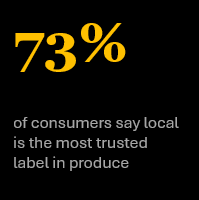
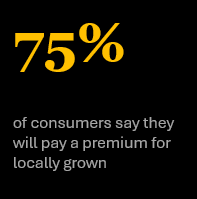
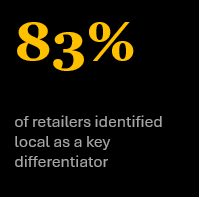
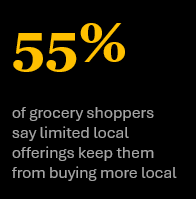
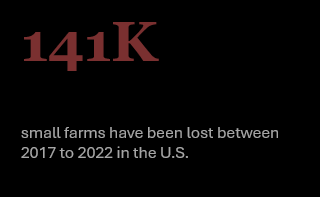
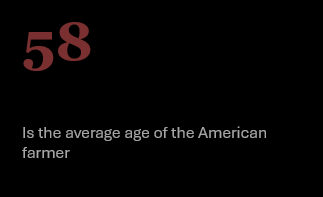
But the farms that can supply it are disappearing.
No Systems are Built for Local.
1. Centralized Production & Imports
California, Arizona, and Mexico (an avg of 1,500 miles away)
$2.7B per year in supply chain overhead and $2.2B per year in food waste. A system built for volume, not community.
Extracts value from every community it serves.
2. Regional Greenhouses
100 to 300 miles away
Regional is not the same as local and it does not bring a clear differentiator to consumers. Stuck in the distribution model driving low margins.
A smaller version of the same extractive model.
3. Local Farms
In your community
No supply chain overhead and economic value stays in the community but is limited to seasonal outlets.
Right economics, but wrong infrastructure for grocery where most Americans shop.
Building a Sustainable Future
Food security, sustainability, and resilience aren’t just positioning statements. They’re outcomes.
They happen because:
Waste shrinks
Supply chains shorten
Production decentralizes
Economics finally work at the regional level
Canopii doesn’t promise a better future.
It builds the infrastructure that makes it inevitable.
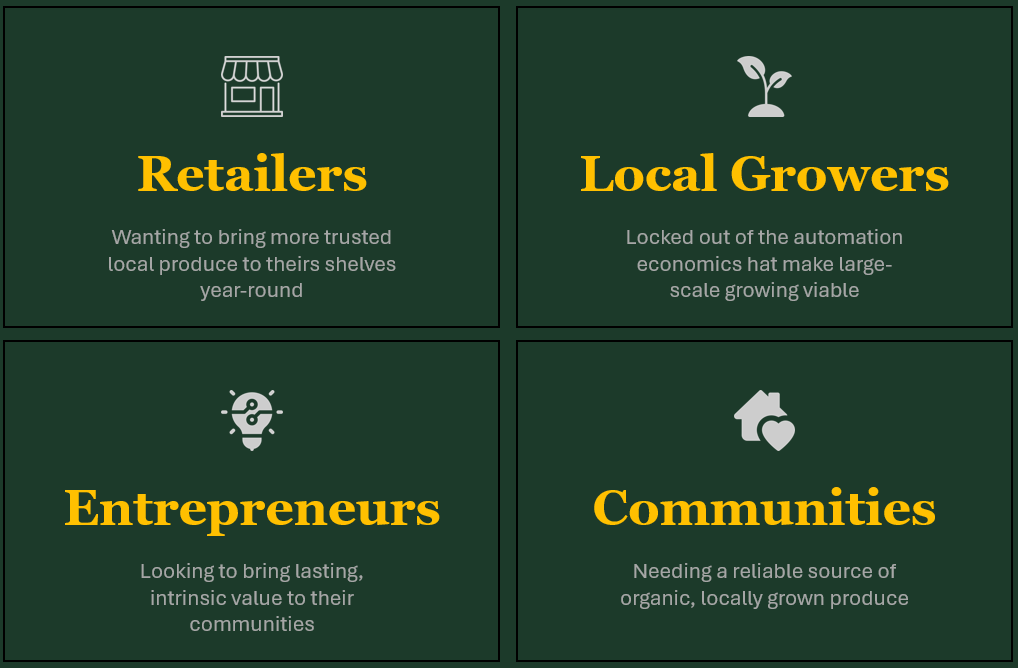
Who This Is For